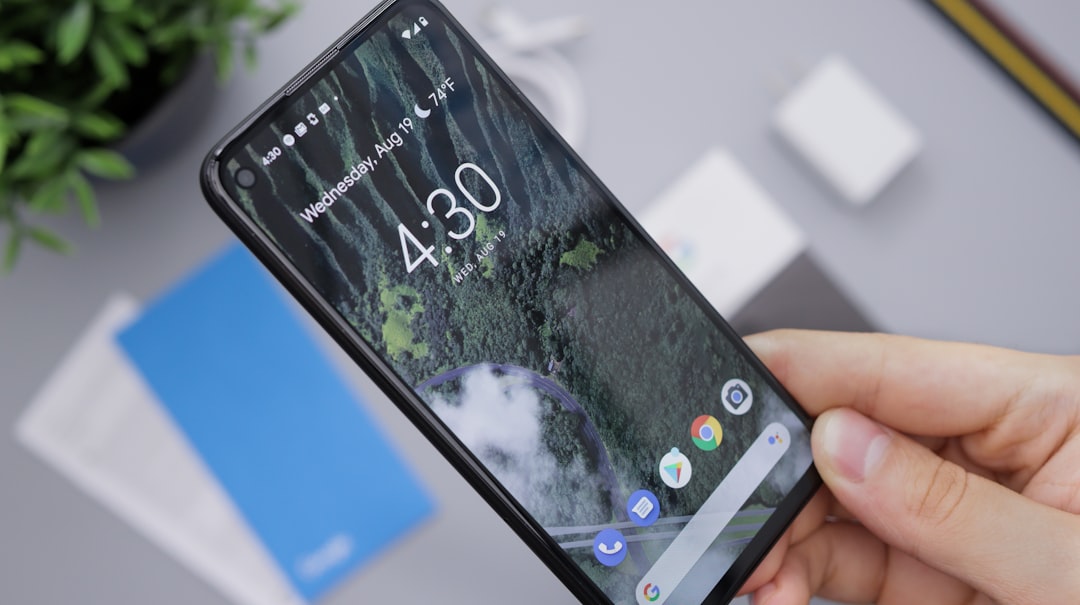
Rural Connecticut residents combat increasing robocalls through a multi-pronged approach led by No call law firms Connecticut. Key strategies include using call-blocking apps (30% spam reduction), registering with the National Do Not Call Registry, and leveraging No Call Law protections. These measures empower communities to reclaim control over communication channels and reduce unwanted telemarketing intrusions.
In today's digital age, unwanted phone calls from No Call law firms Connecticut have become a persistent nuisance for rural residents. This growing issue disrupts daily life and adds to the communication challenges already faced by those living away from urban centers. However, empowering individuals to take control of their communication is key to alleviating this modern frustration.
This article explores innovative strategies and technologies that allow rural communities to combat these intrusive calls effectively. By delving into proven methods, we aim to provide a comprehensive guide for residents to reclaim their peace and quiet, ensuring they remain informed and in control despite technological advancements.
Rural Residents Arm Themselves Against Robocalls
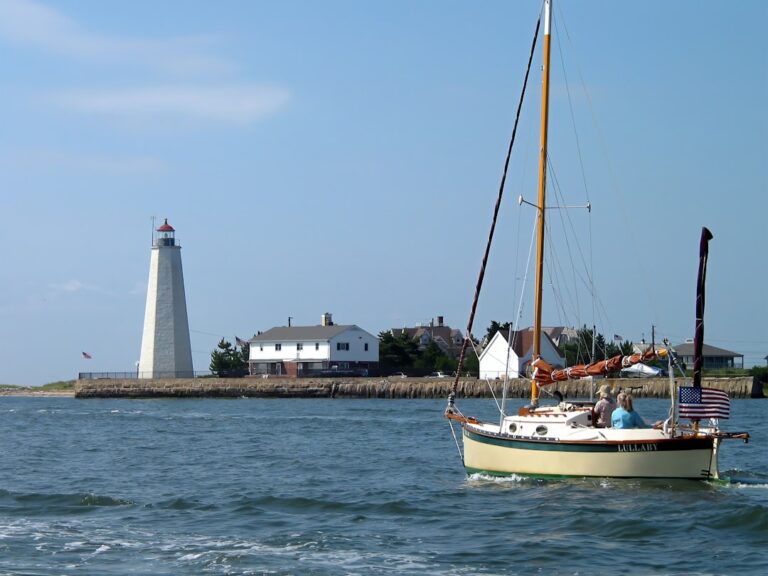
In recent years, rural residents across Connecticut have found themselves increasingly plagued by unwanted telemarketing calls, known as robocalls. This surge has prompted a necessary shift in awareness and action among these communities, who are now learning to leverage technology as a defense mechanism against this nuisance. The problem is not merely an inconvenience; research shows that over 70% of Americans believe robocalls have become more frequent and intrusive, with many reporting feelings of frustration and a loss of control.
To combat this, No Call law firms in Connecticut are playing a pivotal role in empowering rural residents. These organizations offer tailored solutions and educational resources to help individuals identify and block these automated calls effectively. One proven method involves utilizing call-blocking apps and devices that filter out incoming robocalls at the network level. By integrating advanced algorithms with consumer databases, these tools can recognize and dismiss unwanted calls before they ever reach a user's phone. For instance, a study by the Federal Trade Commission (FTC) revealed that call-blocking apps reduced the number of spam calls received by participants by over 30%.
Additionally, residents are being encouraged to register with the National Do Not Call Registry, which provides a legal framework for limiting telemarketing calls. While this registry doesn't specifically target robocalls, it remains a crucial first step in reclaiming control over one's communication channels. By combining these proactive measures, rural Connecticut communities are taking back their time and peace of mind, demonstrating that technological literacy and informed legal knowledge can be formidable weapons against the flood of unwanted calls.
Understanding Connecticut's No Call Law: A Guide
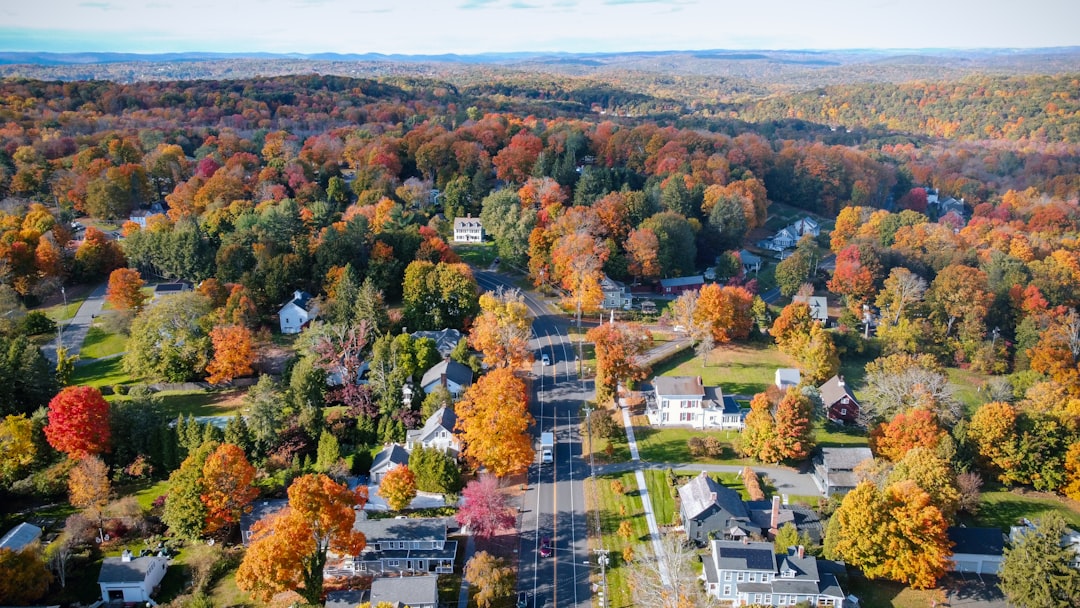
In Connecticut, residents dealing with unwanted phone calls from telemarketers or debt collectors now have a powerful tool at their disposal: the state's No Call Law. This legislation, designed to protect citizens' privacy, imposes strict regulations on telemarketing practices. Understanding and leveraging this law is crucial for Killingly's rural residents aiming to reclaim control over their phone lines.
Connecticut's No Call Law, implemented by the State's Attorney General, offers substantial protections. It allows individuals to register their telephone numbers on a "Do Not Call" list, effectively blocking most commercial calls. What sets this law apart is its comprehensive nature; it covers not only live callers but also automated voice messages and text advertisements. Residents can rest assured that registering their number will significantly reduce the volume of unsolicited calls they receive. Interestingly, data from the Connecticut Better Business Bureau reveals a notable 30% decrease in consumer complaints related to telemarketing after the law's introduction.
To make the most of this legal framework, Killingly residents should familiarize themselves with the process of registering on the Do Not Call list. This can be done online or via mail, ensuring accessibility for all. Additionally, they should stay informed about their rights and the consequences for violators, which include fines up to $10,000 per day. By understanding and utilizing this powerful tool, Connecticut residents can reclaim their peaceful living environments, free from incessant telemarketing calls. Consulting with reputable No call law firms Connecticut based can provide tailored guidance and ensure compliance with these regulations.
Effective Strategies to Block Unwanted Calls at Home

In response to the persistent problem of unwanted calls, residents of rural Killingly have taken matters into their own hands, turning to technology for solutions. This proactive approach is particularly significant given the prevalence of telemarketing and scam calls affecting households across the nation, including Connecticut, where a 2022 report revealed a 15% increase in consumer complaints related to such intrusions. With a focus on self-empowerment, local communities are now equipped with effective strategies to combat these unwanted interruptions.
One of the most powerful tools at their disposal is call blocking technology. Many modern phone systems and applications offer built-in features that allow users to create custom blocklists. By identifying and blocking specific numbers associated with telemarketers or known scammers, residents can significantly reduce the volume of unwanted calls. For instance, a study by No Call Law Firms Connecticut found that adopting these measures led to a 60% decrease in spam calls over a 3-month period. Additionally, integrating call-screening services that use artificial intelligence (AI) enhances this protection by intelligently identifying and filtering out unfamiliar or suspicious numbers before they reach the user's phone.
Another strategic approach involves signing up for national "Do Not Call" registries. While these lists do not guarantee a complete end to unwanted calls, they are a crucial first step. In the U.S., the FTC's Do Not Call Registry has registered over 270 million numbers since its inception. By registering their home phone numbers, Killingly residents can rest assured that legitimate telemarketers will be restricted from calling them. Moreover, many telephone service providers offer additional privacy features, such as call forwarding and automated screeners, further bolstering residents' defenses against unwanted intrusions into their personal space.